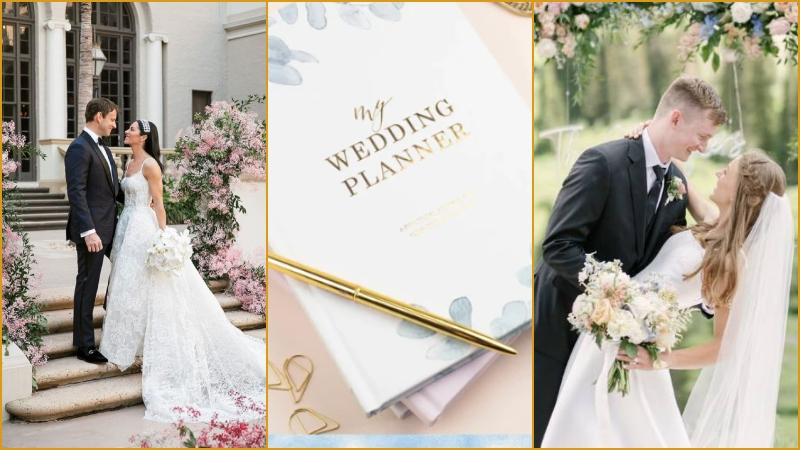
Planning a wedding is exciting, but it can be stressful too. There are many things to do, like picking a venue, inviting guests, arranging food, hiring vendors, and planning decorations. Without a clear plan, you can get confused or forget important things. This guide will show you simple steps to plan a wedding easily. It is written in easy English, so anyone can follow. By following these steps, you can have a smooth, organized, and memorable wedding. Even beginners can plan their perfect day without worry.
Set Your Budget
Start by deciding how much money you can spend. Include costs for venue, food, clothes, decorations, invitations, and other small things. Keep some extra money for emergencies. A budget keeps you from overspending and helps you plan smartly. Track all expenses carefully. Remember, even with a small budget, a wedding can be beautiful if planned well. A clear budget helps you make better decisions and reduces stress before the big day.
Choose a Venue
The venue is very important. Choose indoor or outdoor based on your preference. Check space, availability, parking, and facilities. Visit the place to see if it matches your dream wedding. Booking early ensures you get the date you want. The right venue makes guests comfortable and looks good in photos. Consider lighting, decorations, and space when making the choice. A perfect venue creates a memorable environment for your wedding celebration.
Make a Guest List
Start your guest list with close family and friends, then add others if there is space. Keep the list manageable to control costs. Send invitations early so guests can plan. A smaller guest list makes the wedding feel personal and special. Tracking RSVPs carefully helps know the exact number of guests. The guest list also helps with food planning, seating arrangements, and favors. Having a clear list prevents confusion later.
Decide a Theme
Choose a theme that reflects your style. Popular themes include classic, modern, rustic, or beach weddings. Pick colors, decorations, and outfits that match. The theme affects invitations, flowers, and even the cake design. A clear theme makes your wedding look beautiful and coordinated. Small details like napkins, tablecloths, and centerpieces can follow the theme too. A good theme creates a memorable and stylish wedding day.
Select Wedding Attire
The bride, groom, and family need to choose outfits early. Make sure clothes match the theme and are comfortable. Schedule fittings to avoid last-minute changes. Include shoes, accessories, and makeup. Comfortable clothing helps everyone enjoy the day. Matching outfits create a neat and coordinated look. Keep extra items ready for emergencies, like backup shoes or pins. Proper planning ensures everyone looks great in photos and feels confident.
Hire Reliable Vendors
Vendors are key to a smooth wedding. Hire caterers, photographers, florists, and decorators. Check reviews and meet them personally. Explain your expectations clearly. Reliable vendors provide quality services and manage problems effectively. Book them early to secure availability. Discuss backup plans in case of emergencies. Good vendors reduce stress and make sure the wedding runs smoothly. Clear communication with vendors is very important to avoid mistakes on the day.
Plan the Menu
Food is very important in a wedding. Decide between buffet, plated meals, or finger foods. Include vegetarian, vegan, and other dietary options. Taste-test before finalizing. Drinks, desserts, and snacks should also match the theme. Good food keeps guests happy and leaves a lasting impression. Plan serving times and staff. A well-planned menu makes the reception enjoyable for everyone. Consider portion sizes so no guest is left hungry or food is wasted.
Create a Wedding Timeline
A timeline organizes the wedding day. Include the ceremony, photos, meals, speeches, and dances. Share it with family, wedding party, and vendors. A timeline helps everyone know what to do and keeps things on time. Include some extra buffer time for unexpected delays. A proper schedule reduces stress and ensures every part of the wedding goes smoothly. It helps vendors, guests, and family plan accordingly.
Invitations and Stationery
Invitations set the tone for your wedding. Include date, time, venue, and RSVP details. Send invitations well in advance. Other stationery, like menus, place cards, and thank-you cards, should match the theme. Clear and well-designed invitations impress guests and show organization. Track all sent invitations and RSVPs. Matching colors and designs adds a professional and beautiful touch. Proper planning prevents confusion and ensures everyone has the right details.
Photography and Videography
Hiring professionals is important to capture memories. Discuss important moments like the ceremony, cake cutting, and first dance. Include candid shots for natural moments. Share a shot list with photographers. Good photos and videos let you relive your wedding for years. Decide on editing and delivery timeline. High-quality media ensures lasting memories. Proper planning helps avoid missing any important moment.
Entertainment
Entertainment keeps guests engaged. Choose between a DJ, live band, or playlist. Include games or fun activities if desired. Music and entertainment should match the wedding theme and audience. Plan special performances if needed. Backup equipment is important in case of technical problems. Good entertainment makes the wedding lively and enjoyable for everyone. Proper coordination with the DJ or band ensures smooth timing with other events.
Decorations and Flowers
Decorations make the venue beautiful. Focus on key areas like the stage, entrance, and dining tables. Choose flowers, lights, and décor that match the theme. Keep decorations simple if on a budget. Flowers add freshness and color. Proper planning ensures a stunning and coordinated look. Small details, like ribbons, candles, and table settings, can follow the theme. Decorations create a visually appealing and memorable wedding day.
Transportation
Arrange transport for the couple, family, and guests. Consider comfort, timing, and parking. Plan routes to avoid traffic delays. Smooth transportation reduces stress and ensures everyone arrives on time. If using multiple vehicles, coordinate arrivals. Renting vehicles in advance prevents last-minute issues. Clear communication with drivers ensures punctuality. Transportation is an important detail that can affect the overall experience.
Seating Plan
Organize seating for the ceremony and reception. Place family and friends carefully to avoid conflicts. Use seating cards or charts to guide guests. Proper seating ensures comfort and smooth meal service. Plan for VIPs, the elderly, or children if needed. A good seating plan improves guest experience and helps caterers serve efficiently. Clear arrangements reduce confusion and make the event organized.
Legal Requirements
Check local marriage laws. Obtain necessary documents like a marriage license, ID copies, or permits. Submit applications early. Keep copies in a safe place. Legal compliance ensures the marriage is official and recognized. Missing steps can cause problems later. Understanding and completing legal requirements is very important for a smooth wedding process.
Emergency Kit
Keep a small kit with safety pins, tissues, painkillers, makeup, and sewing tools. Unexpected problems can happen, like torn clothes or spilled makeup. An emergency kit solves issues quickly and reduces stress. It gives peace of mind. Being prepared ensures the wedding day goes smoothly, even if small problems occur.
Rehearsal
Practice the ceremony and events with family and vendors. Rehearsals reduce mistakes and calm nerves. Invite important people to know their roles. Practice entrances, speeches, and music timing. Rehearsals make the wedding day smoother. Everyone feels confident and knows what to do, reducing stress and confusion.
Day-of Coordination
Assign a coordinator or trusted person to manage the day. They handle vendors, scheduling, and unexpected problems. The couple can focus on enjoying their day. Proper coordination ensures the smooth execution of events. Without a coordinator, small problems can turn into big issues. Having someone responsible keeps everything organized.
Post-Wedding Tasks
After the wedding, send thank-you notes to guests and vendors. Preserve photos and videos carefully. Return rented items like clothes or decorations. Organize leftover gifts. Completing these tasks ensures memories are saved, and nothing is forgotten. Post-wedding organization helps the couple relax and reflect on the day happily.
Most Important Wedding Planning Steps
| 1 | Budget | Decide total spending & keep extra for emergencies |
| 2 | Venue | Choose indoor/outdoor & visit before booking |
| 3 | Guest List | Add family & friends & track RSVPs |
| 4 | Theme | Pick colors & style & match invitations & clothes |
| 5 | Attire | Schedule fittings & ensure comfort |
| 6 | Vendors | Hire caterers, photographers, decorators & check reviews |
| 7 | Menu | Taste-test food & include dietary options |
| 8 | Timeline | Plan day schedule & share with family & vendors |
Conclusion
Wedding planning can feel overwhelming, but following a clear step-by-step guide makes it simple and enjoyable. Each detail, from budget to decorations to seating, is important for a smooth and memorable wedding. Using this guide ensures that you don’t forget anything and that every step is handled carefully. Start early, stay organized, and plan each task with care. Assign responsibilities to trusted people and communicate clearly with vendors. With preparation, rehearsals, and proper coordination, your wedding day will be beautiful, stress-free, and full of happy memories that last a lifetime.
People Also Ask
Q1: What are the steps to planning a wedding?
The steps include setting a budget, choosing a venue, making a guest list, picking a theme, selecting attire, hiring vendors, planning the menu, creating a timeline, sending invitations, arranging decorations, organizing transport, and coordinating the day.
Q2: What is wedding planning?
Wedding planning is organizing all tasks and details needed for a wedding. It includes budgeting, selecting a venue, hiring vendors, arranging food, decorations, entertainment, and making sure the day runs smoothly.
Q3: What comes first in wedding planning?
The first step is usually setting a budget. After that, choosing the venue and making a guest list are the next important tasks. These steps help organize the rest of the wedding.
Q4: How to plan a traditional wedding?
To plan a traditional wedding, start with a budget, select a venue, follow cultural or religious customs, choose appropriate attire, hire reliable vendors, plan the menu, organize the ceremony and reception, and create a clear timeline for the day.
For more information or suggastion please,Contact us.